04
Soap & Detergent Processing
Industrial salt may be used in qualified salting-out and formulation steps. Check NaCl, impurities, insolubles, dosage, finished-product specifications and equipment requirements.

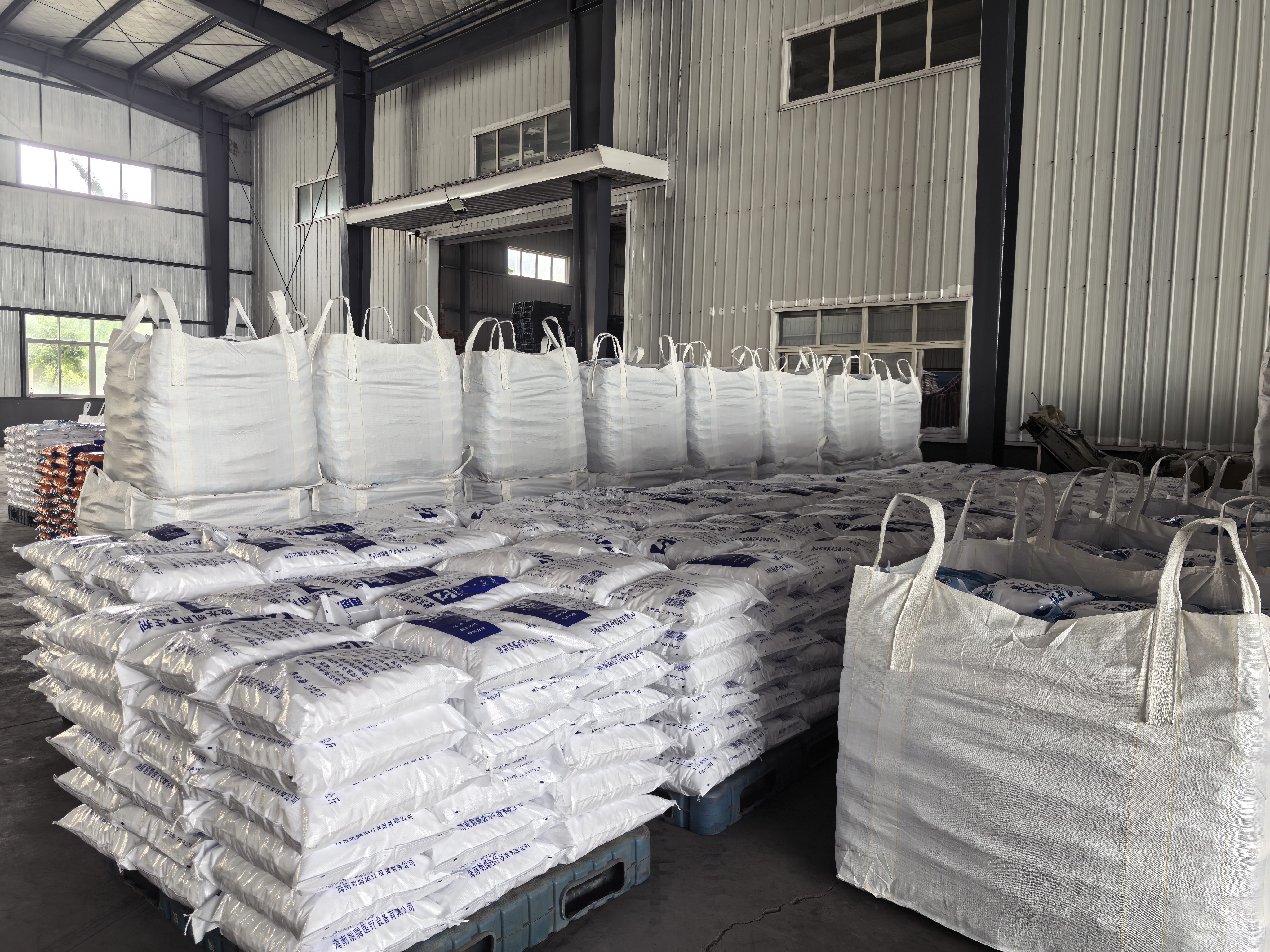
Chlor-alkali and other basic chemical processes commonly use salt to prepare brine, but each electrolyzer has its own limits for NaCl, total calcium and magnesium, sulfate, water insolubles and particle size. The current industrial-salt TDS reports representative values of 99.40% NaCl on a dry basis, total Ca+Mg <0.01% and sulfate <0.01%. These figures support procurement screening; they do not replace process qualification.
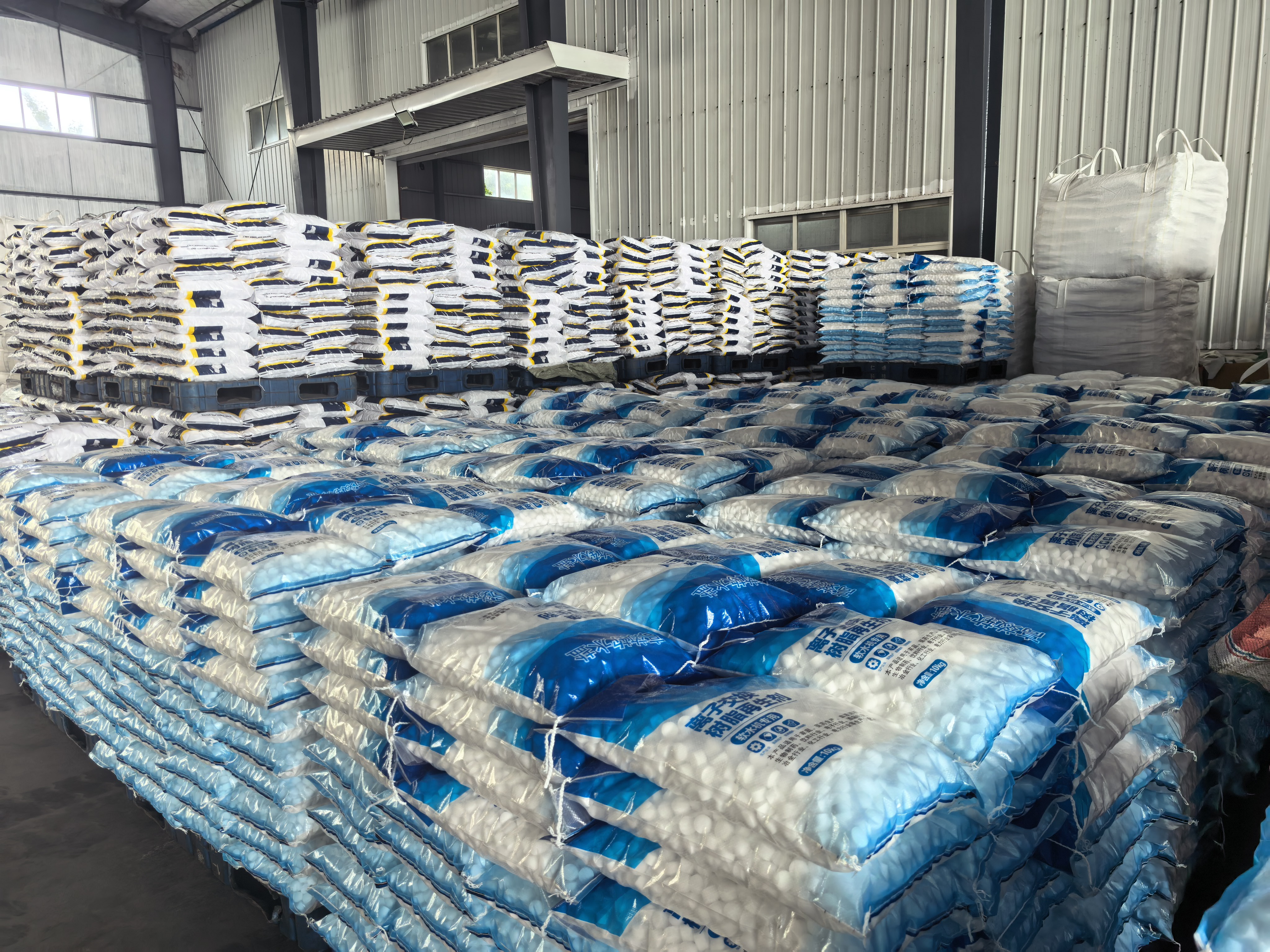
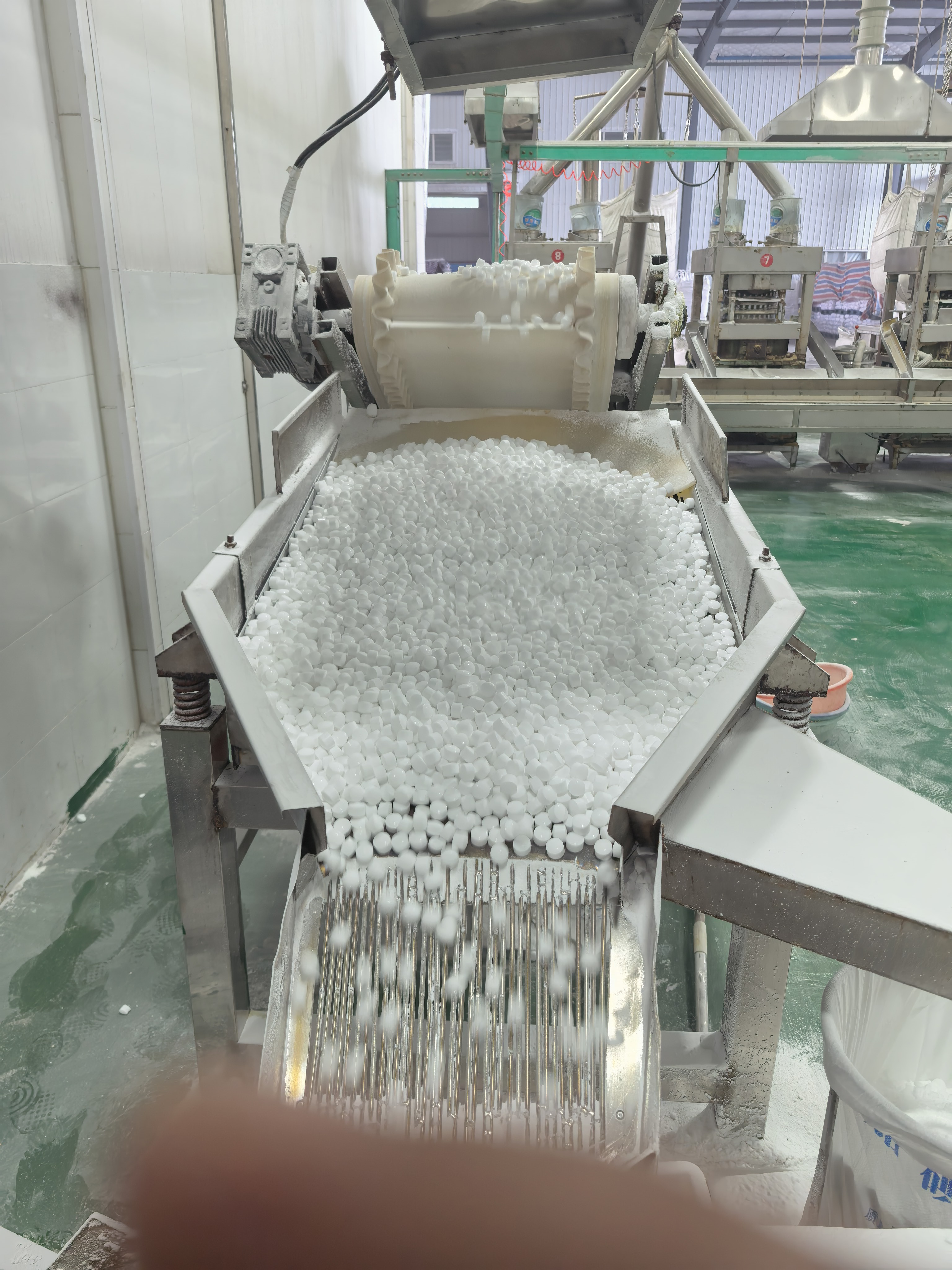
Water softener salt tablets prepare brine for regeneration of sodium-ion exchange resin. The current TDS reports representative values of 99.62% NaCl and <0.01% water insolubles; each tablet is approximately 21.20 mm in diameter and 12 mm thick. Dissolution, salt-tank residue and regeneration performance depend on equipment, feedwater hardness, brine settings and maintenance, so compatibility testing is recommended before bulk purchase.
Salt is commonly used to adjust bath ionic strength in reactive and direct dyeing of cotton, and in light-industry operations such as soap salting-out. The current industrial-salt TDS provides NaCl, total Ca+Mg, sulfate and insolubles data. Dosage, shade consistency, fastness and equipment compatibility depend on the dye system and process recipe and should be confirmed by lab and production trials.
Industrial salt may be used in qualified salting-out and formulation steps. Check NaCl, impurities, insolubles, dosage, finished-product specifications and equipment requirements.
For qualified hide curing and pickling operations, check particle size, dosage, process controls, finished-leather requirements and local wastewater obligations.
Fit depends on climate, spreader compatibility, particle size, moisture and operating temperature. Buyers should also assess corrosion, storage and local environmental rules.
For qualified secondary-coolant or process-brine systems, confirm target concentration, freezing point, material compatibility, corrosion management and make-up plan.
Hotel, laundry and building systems should verify tank dimensions, tablet size, dissolution, residue, feedwater hardness and regeneration settings.
These are typical industry contexts, not a guarantee of suitability for a specific process or machine. Review the product specifications and TDS, then send an RFQ to confirm samples, target limits and contractual acceptance criteria.